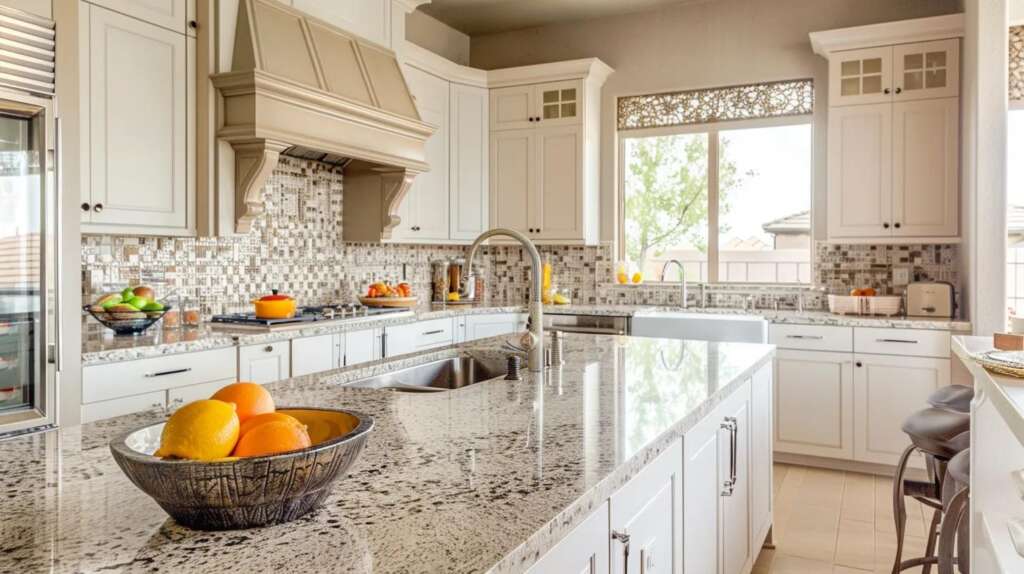
The kitchen is the most important room in your home. It is where your family gathers in the morning, where meals are prepared and shared, where guests gravitate during parties, and — critically for Philadelphia homeowners — where a significant portion of your property’s resale value is determined. A well-executed kitchen remodel is consistently ranked as one of the highest-return home improvement investments in the real estate market, routinely recouping 60% to 80% of its cost in increased property value, with a dramatically improved quality of life for every day in between.
Philadelphia’s housing market is unique. The city’s diverse neighborhoods — from the Victorian rowhouses of West Philadelphia to the colonial properties of Germantown, the historic brownstones of Society Hill, and the newer construction in developments across Fishtown and Northern Liberties — each present distinct architectural opportunities and challenges for kitchen renovation. Understanding what works in your specific home, your specific neighborhood, and your specific budget is the foundation of a successful kitchen remodel.
This guide walks you through everything you need to know before beginning a kitchen renovation in Philadelphia: realistic cost ranges, key design decisions, material selection strategies, contractor vetting tips, and how to ensure your investment delivers maximum return.
Cost is the first question every Philadelphia homeowner asks — and the honest answer is that it depends enormously on the scope of work, the quality of materials selected, and the condition of the existing kitchen. That said, here are the realistic cost ranges you can expect in today’s Philadelphia market.
A basic cosmetic refresh — new cabinet doors and hardware, new countertops, updated fixtures, and fresh paint — typically runs between $8,000 and $18,000 for an average Philadelphia rowhouse or single-family kitchen. This level of renovation improves the visual appeal significantly without changing the fundamental layout or replacing major appliances.
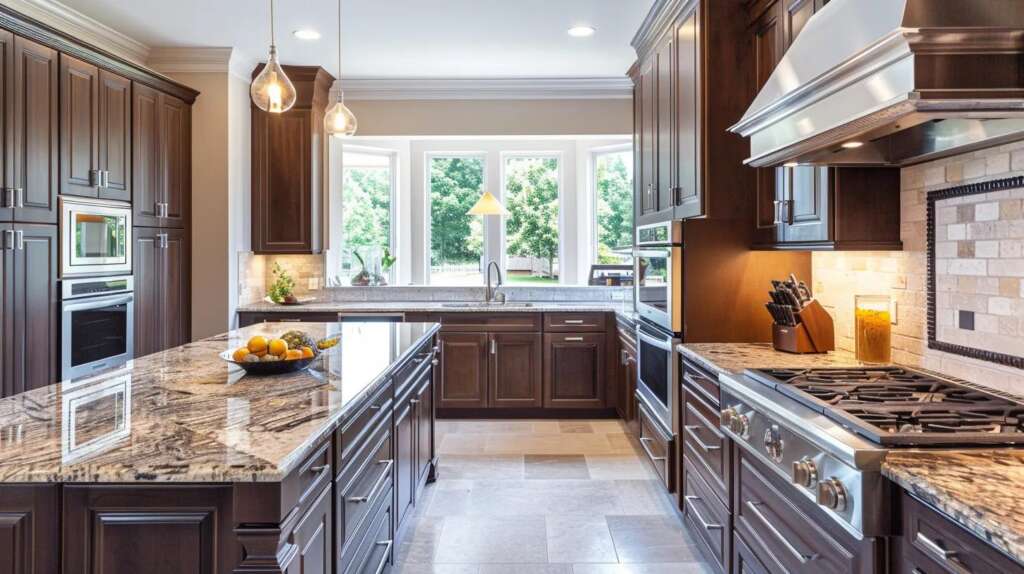
A mid-range full remodel — including new semi-custom cabinets, stone or quartz countertops, tile backsplash, new appliances, updated lighting, and flooring — typically ranges from $25,000 to $55,000 depending on kitchen size and material choices. This is the most common scope for Philadelphia homeowners who want a genuinely transformed kitchen that will last 15 to 20 years.
A high-end custom remodel — featuring full custom cabinetry, premium stone counters, designer tile, professional-grade appliances, custom lighting, and potentially reconfiguring the layout to improve flow — can range from $60,000 to $120,000 or more for larger Philadelphia homes. This level of investment is appropriate for high-value properties where the remodel will be reflected proportionally in resale value.
Before any material is purchased or contractor engaged, the design decisions you make will determine the success of your kitchen remodel more than any other factor. Getting these decisions right at the planning stage — rather than changing your mind mid-construction — saves both money and time.
In Philadelphia’s older housing stock, kitchen layouts are often inefficient by modern standards — galley-style kitchens with limited counter space, awkward corner configurations, and storage that was designed for a different era of cooking and living. The single most impactful layout decision you can make is whether to reconfigure the kitchen’s footprint or work within the existing structure.
Opening up a wall to connect the kitchen to an adjacent dining room or living space is one of the most popular and value-generating changes in Philadelphia row home renovations. However, any wall removal requires a structural assessment to determine whether the wall is load-bearing — a step that must be taken before demolition begins. Philadelphia permit requirements for structural changes are specific and non-negotiable. Working with a contractor who handles permitting as part of the project protects you from costly violations and resale complications.
Countertops are among the most visible and most used surfaces in your kitchen — and the material choice significantly impacts both the functional performance and the aesthetic appeal of the finished space. In the current Philadelphia market, quartz countertops are the most popular choice for mid-range to high-end kitchen remodels, and for good reason. Engineered quartz offers the premium look of natural stone with superior durability, stain resistance, and virtually zero maintenance requirements. It does not require annual sealing, it resists heat and scratching better than many natural stones, and it is available in an enormous range of colors and patterns that complement any design aesthetic.
Natural granite remains a strong choice for homeowners who prefer the unique character of natural stone, with each slab possessing completely individual veining and color patterns. Marble, while beautiful, requires more maintenance and is better suited to lower-use surface areas like kitchen islands in households that are committed to regular sealing and careful use. Porcelain slab countertops are an emerging option offering exceptional durability and a contemporary aesthetic at generally lower price points than premium quartz or granite.
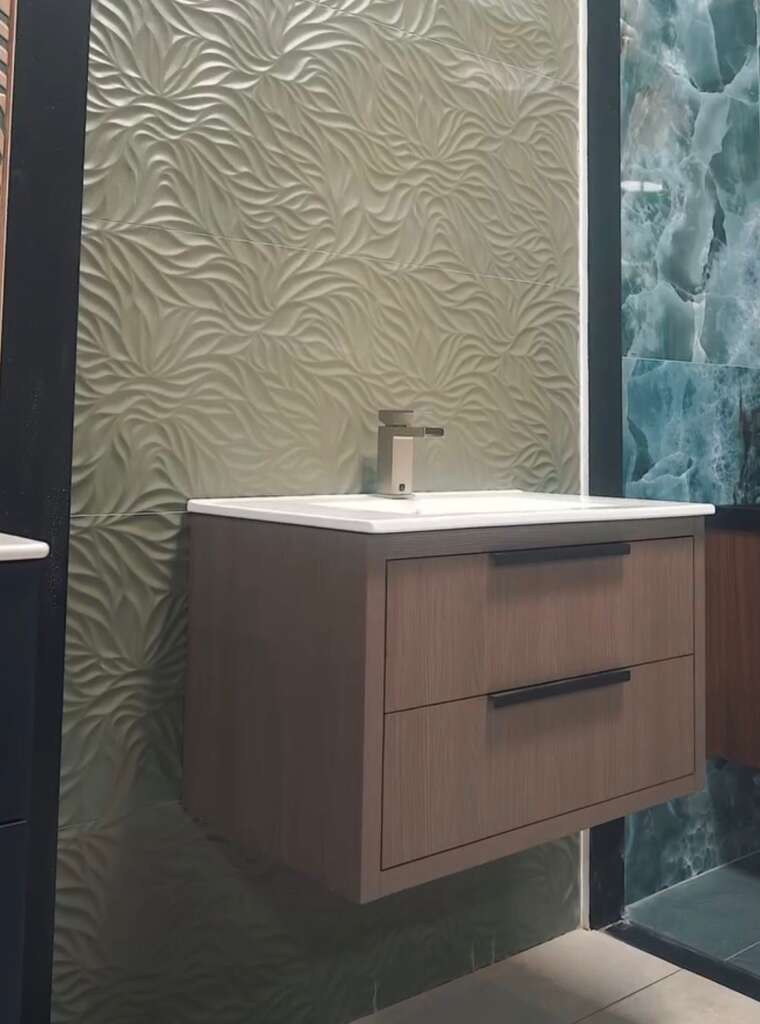

The backsplash is the element of a kitchen remodel that offers the greatest opportunity to inject personality, contrast, and visual interest into the space. It is also one of the few areas where going bold can pay significant design dividends without a proportionally large budget impact. A standout tile backsplash — whether it is classic white subway tile in a herringbone pattern, a dramatic handmade zellige tile in earthy tones, or a bold graphic cement tile — transforms the entire character of a kitchen at a fraction of the cost of changing cabinetry or countertops.
In Philadelphia’s competitive real estate market, kitchens with distinctive, high-quality tile work consistently photograph better, show better to buyers, and command higher offers. For homeowners planning to sell within five years, investing in a thoughtfully chosen backsplash is one of the highest-return design decisions available.
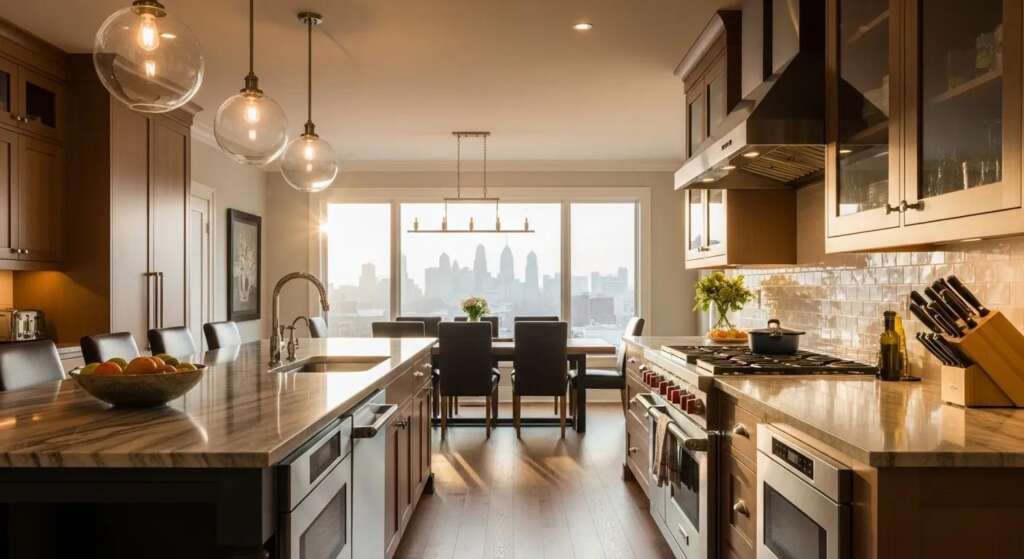
The quality of your kitchen remodel depends more on the contractor you choose than on any other single factor. Philadelphia has no shortage of contractors — but the gap between the best and the worst is enormous, and the consequences of choosing poorly can be devastating: delays, cost overruns, substandard workmanship, permit violations, and in some cases work that needs to be torn out and redone entirely.
Before signing any contract, verify that your contractor holds a current Philadelphia contractor registration number. Unregistered contractors are operating illegally and offer you no recourse through the city’s consumer protection system if problems arise. Request proof of general liability insurance and workers’ compensation coverage — without these, you are personally liable for any injuries or property damage that occur during the project on your property.
Ask for a detailed written scope of work that specifies every aspect of the project: materials by brand and model number, specific tasks included and excluded, payment schedule tied to project milestones rather than arbitrary dates, and a realistic project timeline. Any contractor who resists providing this level of specificity in writing should be immediately disqualified from consideration.
Not every dollar spent on a kitchen remodel returns equally in resale value. Understanding which investments generate the highest returns for your specific Philadelphia neighborhood allows you to allocate your budget strategically — spending more where it matters and less where it does not.
In most Philadelphia neighborhoods, the features that buyers respond most strongly to are: updated, functional cabinet storage with quality hardware; durable, attractive countertop surfaces; a cohesive and current backsplash; updated lighting including under-cabinet task lighting and improved overhead fixtures; and a clean, modern aesthetic that photographs well for online listings. Overly personalized design choices — unusual color combinations, highly specific style choices that appeal to a narrow taste profile — can actually reduce marketability even when the quality of workmanship is high.
The most reliable ROI-maximizing strategy is to choose timeless over trendy, quality over quantity, and function over fashion. A well-designed, durably built kitchen with classic proportions and high-quality materials will outperform a trendy, lower-quality kitchen in both daily livability and resale performance for years to come.
A successful kitchen remodel begins with a detailed conversation about your goals, your timeline, your budget, and your priorities. The most common and costly mistakes in kitchen renovation happen at the planning stage — before a single tile is selected or a cabinet door is ordered. Working with an experienced Philadelphia kitchen remodel team that can guide you through material selection, layout optimization, permitting, and project management from start to finish is the most reliable way to ensure your investment delivers the results you expect.

Ideal Tile & Kitchen is a dedicated team of professionals passionate about home remodeling. We have been serving homeowners, builders, and contractors for over 10 years across Philadelphia, Bucks County, Montgomery County, PA, and New Jersey.
©2026 Ideal Tile & Kitchen. All Rights Reserved.