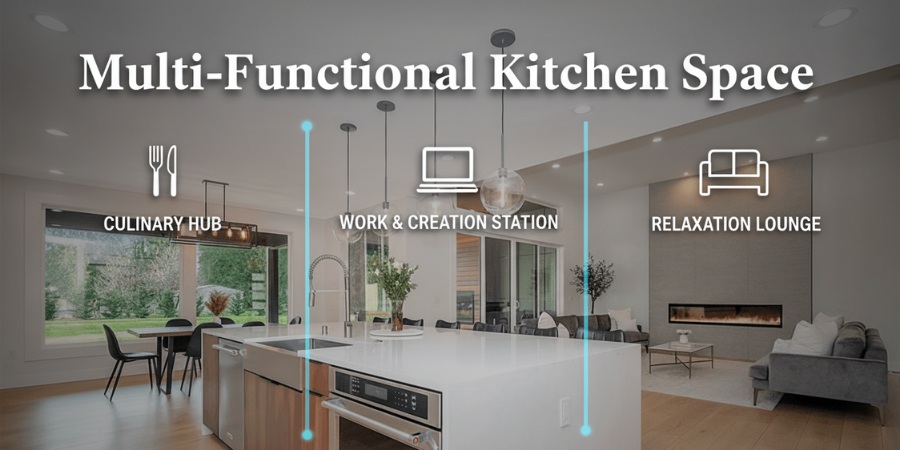
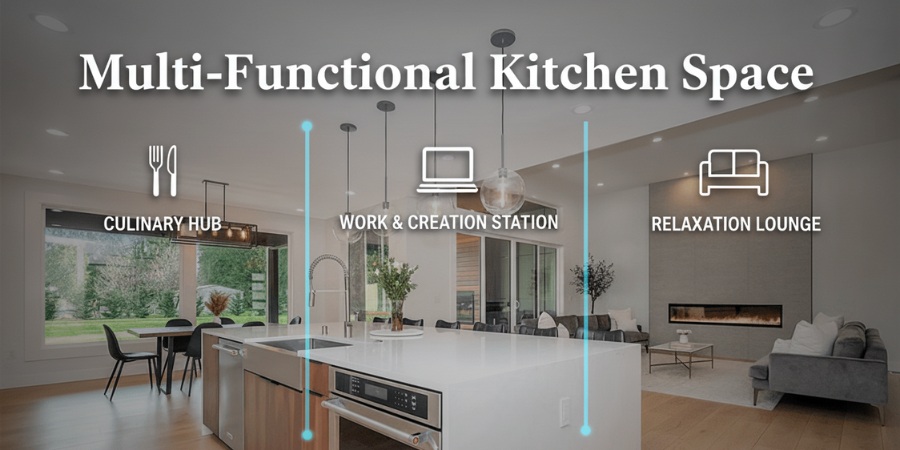
Multi-Functional Kitchen Space
A multi-functional kitchen is no longer just a place for cooking. It’s where families work, study, socialize, and unwind. A thoughtfully designed kitchen increases daily comfort, strengthens social interaction, and boosts property value — making it one of the most rewarding areas to upgrade.
Key reasons this matters:
- A well-zoned kitchen streamlines daily routines.
- Multi-functional design supports remote work and family life.
- Intelligent layouts and finishes improve long-term ROI.
This article explains how to plan, style, and implement a multi-functional kitchen layout that fits small or open-plan homes — combining smart storage, flexible furniture, and budget-conscious upgrades for everyday living.
1. Assessing Your Kitchen’s Purpose and Priorities
Define the Kitchen’s Core Roles
A functional kitchen design starts with identifying what the space truly supports:
- Cooking and meal prep
- Dining and entertaining
- Remote work or homework zones
- Socializing and relaxation
Ask: Who uses the kitchen, how often, and for what tasks? Mapping these behaviors helps determine layout zones and optimize flow between them.
Evaluate Practical Constraints
Record essential details:
- Dimensions, windows, and door swings
- Electrical, plumbing, and gas points
- Appliance door clearances and traffic routes
Follow NKBA standards:
- Work aisle width: 42–48 inches
- Minimum counter depth: 24 inches
- Island clearance: 36–48 inches
Checklist for quick start:
- ☐ Measure space accurately
- ☐ Note obstructions and utilities
- ☐ Prioritize task zones (prep, dine, work, socialize)
2. Layout Strategies for Small and Open-Plan Homes
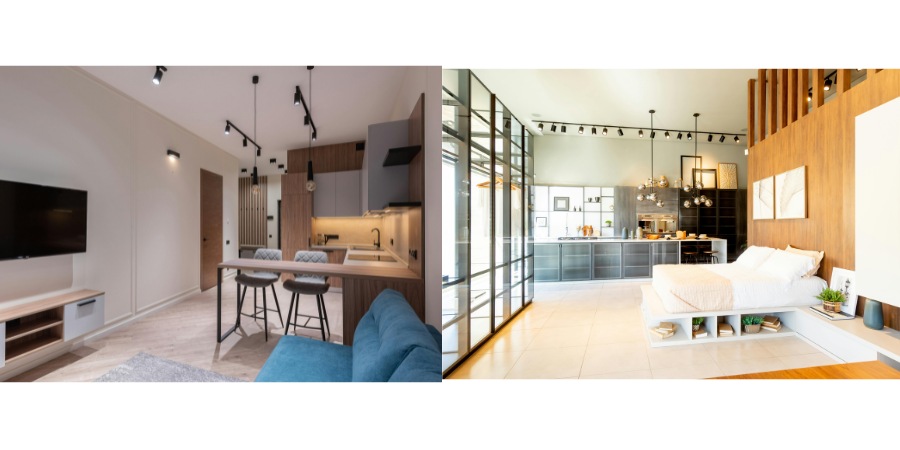
Compact Kitchen Layouts That Maximize Function
- Galley Kitchen: Ideal for narrow rooms; keeps workflow linear.
- L-Shaped Kitchen: Frees up one wall for dining or living connection.
- U-Shaped Kitchen: Offers continuous counter space and excellent storage.
Pro Tip: Use tall cabinets on one wall and continuous counters for visual expansion.
Open-Concept Kitchen Ideas
For open-plan homes, use visual zoning instead of walls:
- A kitchen island acts as both prep and social space.
- Maintain cohesive flooring to link spaces.
- Use lighting and furniture orientation to define activity areas.
This fluid setup supports creative kitchen space utilization and enhances the home’s social flow.
3. Storage-First Design: Smart Solutions for Every Kitchen
Kitchen Islands with Storage
Multi-purpose islands add functionality:
- Integrate drawers, bins, or shelves.
- Add outlets for small appliances or charging.
- Combine dining and work surfaces in one unit.
Types of kitchen islands:
- Fixed island (with sink or cooktop)
- Rolling island or cart (mobile and modular)
- Peninsula (attached to a wall or counter)
Hidden & Vertical Storage
Use unused vertical and under-counter areas:
- Ceiling-height cabinets
- Pegboards for utensils or pots
- Toe-kick drawers for extra storage
Smart storage = clutter-free countertops and better workflow.
4. Furniture and Lighting That Support Flexibility
Adaptive Furniture for Small Kitchens
- Fold-down tables for dining or laptop work
- Bench seating with hidden storage
- Modular cabinetry that can be rearranged
Lighting That Enhances Function and Mood
Layered lighting transforms usability:
- Task lighting under cabinets
- Ambient lighting via ceiling fixtures
- Accent lighting for décor or shelves
Use warm tones for social spaces and bright white for prep areas to balance mood and function.
5. Budgeting, Phasing, and DIY Options
Prioritize High-Impact Upgrades
Focus investment where it matters most:
- Storage optimization — pantry systems, inserts, and islands
- Lighting layers — both functional and aesthetic
- Durable finishes — quartz or porcelain counters
Plan Upgrades in Phases
Phase 1: Quick wins (paint, declutter, hardware, organizers)
Phase 2: Mid-range improvements (backsplash, counters, compact appliances)
Phase 3: Full remodel (reconfiguration, custom cabinetry, island installation)
DIY vs. Professional Help
DIY projects:
- Install shelving or pegboards
- Swap hardware and lighting
- Build a basic bench or floating desk
Hire pros for:
- Plumbing/electrical changes
- Structural or cabinetry customization
- Integrated smart appliance installation
6. Action Checklist
✔ Define primary kitchen activities
✔ Measure layout accurately
✔ Choose storage-first design
✔ Add flexible, multi-use furniture
✔ Plan lighting layers
✔ Prioritize upgrades by ROI
✔ Phase improvements for affordability
7. Inspiration and Resources
- National Kitchen & Bath Association (NKBA) — nkba.org
- Remodeling Cost vs. Value Report — costvsvalue.com
- Houzz — design galleries and local pros
- HGTV / Better Homes & Gardens — style inspiration
- Pinterest — open concept kitchen ideas and versatile furniture setups
Conclusion
A multi-functional kitchen doesn’t require more space — just smarter design. By combining zoned layouts, efficient storage, flexible furniture, and thoughtful lighting, you can make your kitchen work harder, look better, and feel larger.
Start with one improvement today — a new island, decluttered cabinet, or layered light setup — and watch how it transforms your daily routine.