You walk into a kitchen and notice how the cabinets shape the entire room. They store your pots and dishes while adding beauty to your daily routines. Cabinets turn a simple space into an efficient workspace you love. Yet picking the right ones feels overwhelming at times. What truly fits your needs and style?
| Quick Answer The main types of kitchen cabinets include base cabinets for heavy storage under counters, wall cabinets for light items above workspaces, and tall cabinets that reach the ceiling, such as built-in pantries. You also choose by construction: stock cabinets for quick, affordable installs, semi-custom ones for smart tweaks, and custom cabinets for perfect fits. Door styles matter too. Shaker cabinets bring clean, versatile style, while flat-panel designs feel sleek and modern. Raised-panel options add traditional elegance. Glass-front types let you display pretty dishes and beadboard styles bring cozy charm. Each type solves specific storage problems in your kitchen. |
What Kitchen Cabinet Options Are Available?
Kitchen layouts rely on three core cabinet groups that work together seamlessly. You see them every day yet rarely think about their unique roles. Base, wall, and tall cabinets create balance in both function and design. They maximize every inch of space you have available.
Base Cabinets
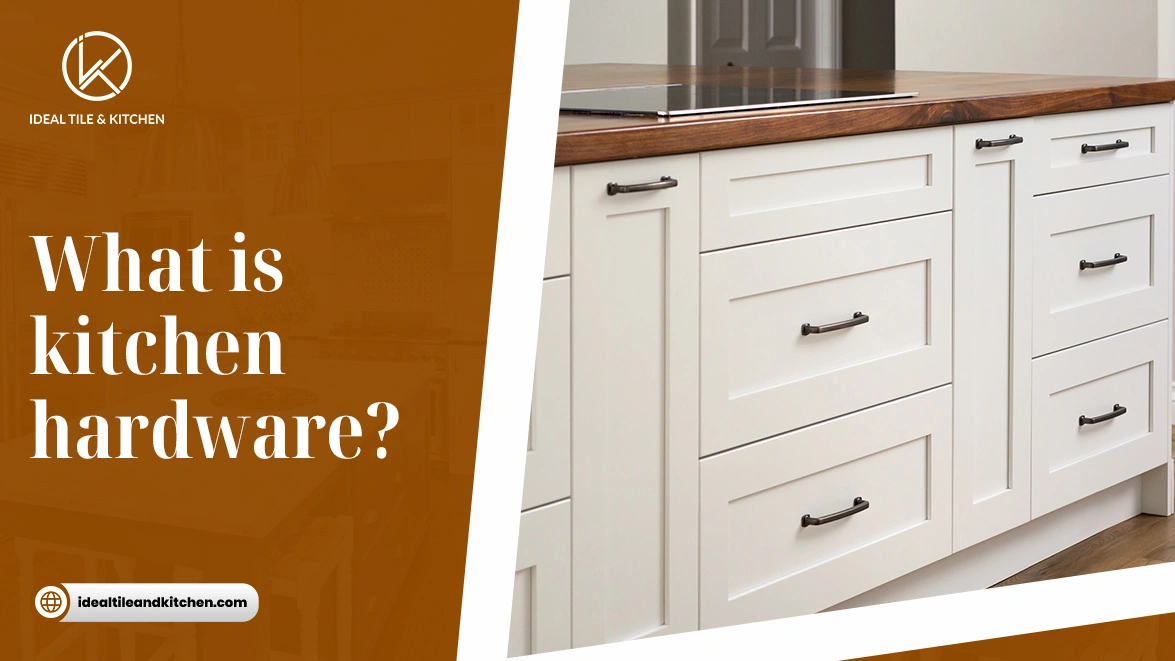
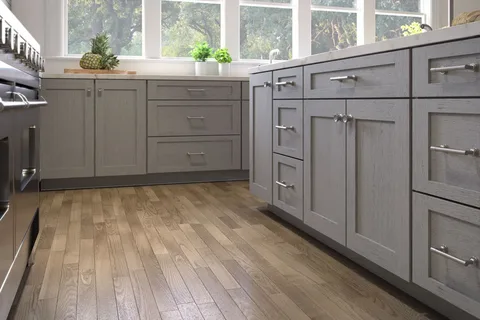
Base cabinets sit directly on the floor and support your countertops with solid strength. You count on them for the heaviest daily tasks around the kitchen. They form the foundation of your entire storage system, too.
- Features: Standard base cabinets measure 34.5 inches tall without the countertop. They reach 24 inches deep for ample room inside. You get full-extension drawers that glide smoothly with soft-close hardware. Many include adjustable shelves or pull-out trays for easy access. Toe kicks at the bottom prevent toe stubs while you cook. Manufacturers build them from plywood or solid wood for durability that lasts for years. Some models even hide built-in trash bins or spice racks cleverly.
- Best Uses: Place base cabinets under sinks for plumbing access without hassle. You store heavy pots and pans here because they handle weight easily. Islands benefit from base styles that anchor the space perfectly. Busy families love them near the stove for quick grab-and-go tools. They work great in open kitchens where you need sturdy surfaces for food prep every single day.
Wall Cabinets
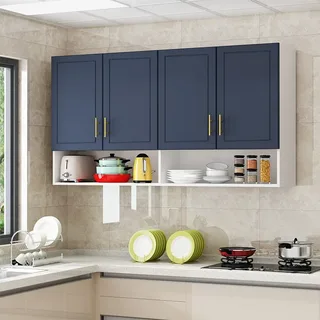
Wall cabinets hang above your counters and open up valuable vertical space. You reach for them often during meal prep, so accessibility matters a lot. They keep the kitchen feeling light and organized at eye level.
- Features: These units stay just 12 inches deep to avoid crowding your headroom. Heights range from 12 to 42 inches, depending on your ceiling. You mount them securely with strong brackets hidden inside. Glass or solid doors let you choose visibility options freely. Many include adjustable shelves that adapt to your dish sizes perfectly. LED lighting strips inside make the contents pop at night.
- Best Uses: Store everyday dishes and glasses right above the sink area. You display decorative plates in open-concept homes here. Spices and lightweight pantry goods fit neatly without taking up floor space. Small kitchens gain huge visual height when you install them strategically. They brighten corners above appliances like microwaves or coffee makers, too.
Tall Cabinets
Tall cabinets stretch from floor to ceiling and act like vertical storage heroes. You transform awkward spaces into organized zones with their impressive height. They replace bulky freestanding pantries in modern homes.
- Features: These reach 84 to 96 inches high and match your ceiling lines cleanly. Depths vary from 12 to 24 inches for flexibility. You find built-in shelves, pull-out baskets, or even appliance garages inside. Many include broom closets or wine racks as bonus features. Doors swing wide or slide depending on your layout needs. Finishes coordinate perfectly with base and wall units nearby.
- Best Uses: Use them as full-height pantries for bulk food storage year-round. You tuck cleaning supplies or small appliances out of sight here. Narrow kitchen ends gain function with floor-to-ceiling designs. Tall cabinets shine near refrigerators for seamless flow. They maximize storage in condos where every inch counts.
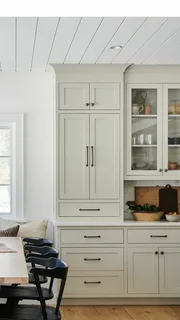
Kitchen Cabinet Types Based on Construction
Construction methods determine how quickly you get your cabinets and how much you can customize them. You weigh speed against uniqueness when you plan your remodel. Stock, semi-custom, and custom options each bring distinct advantages to the table.
Stock Cabinets
Stock cabinets come ready-made from factory lines and ship quickly to your door. You pick from standard sizes that fit most basic layouts. They offer an affordable starting point for many homeowners.
- Features: Builders produce them in 3-inch width increments for simple planning. You choose from popular woods like maple or oak, plus laminate finishes. Hardware arrives pre-installed for easy setup. Colors stay limited but cover classic neutrals well. Delivery often occurs within weeks rather than months.
- Pros & Cons: Pros include lower costs that save you thousands. Quick availability keeps your project timeline on track nicely. Easy installation suits DIY fans who enjoy hands-on work. Cons appear in limited sizes that sometimes force filler strips. You sacrifice deep customization so unique kitchen quirks stay challenging.
Semi-Custom Cabinets
Semi-custom cabinets let you tweak factory designs without full custom costs. You can adjust sizes and finishes to match your exact room measurements. They strike a sweet balance many families appreciate.
- Features: Factories modify widths and heights by the inch for a better fit. You select from hundreds of door styles and paint colors freely. Upgraded hardware like soft-close hinges often comes standard. Materials range from plywood boxes to solid wood doors. Lead times stay reasonable at 6 to 10 weeks typically.
- Pros & Cons: Pros shine through a wider range of choices that feel personal yet affordable. You gain quality upgrades without custom prices. Faster production keeps excitement high during remodels. Cons include some size restrictions compared to full custom work. Complex layouts may still need minor compromises here and there.
Custom Cabinets
Custom cabinets get built from scratch to match your wildest design dreams perfectly. You work with makers who measure every awkward corner in your kitchen, creating one-of-a-kind pieces you will not find anywhere else. If you’re wondering, are custom cabinets worth it? they are often the ideal choice for homeowners seeking a perfect fit, premium quality, and personalized design.
- Features: Craftsmen use your precise dimensions for zero wasted space. You pick exotic woods or unique hardware details freely. Every joint and finish receives handcrafted attention. Integrated lighting or hidden outlets become possible options. Designs reflect your lifestyle exactly from start to finish.
- Pros & Cons: Pros deliver flawless fits that boost home value long-term. You enjoy premium materials built to last for decades. Unique details make your kitchen feel truly special. Cons involve higher prices that stretch budgets noticeably. Longer wait times of 12 weeks or more can sometimes test your patience.
Conclusion
You now understand how different types of kitchen cabinets address real storage challenges while enhancing your kitchen’s beauty and efficiency. Base, wall, and tall units handle layout needs perfectly. Construction choices from stock to custom let you match budgets and timelines smartly.
Door styles from shaker to beadboard express your unique personality every day. Pick options that fit your lifestyle and watch your kitchen transform into a space you truly enjoy. Whether you cook daily or entertain often, the right cabinets make every moment smoother and more fun.
Ready to create your dream kitchen? Contact trusted kitchen remodelers like Ideal Tile and Kitchen today for expert guidance on cabinetry selection, hardware, beautiful designs, and professional installation services tailored just for you.
FAQ Section
Which type of kitchen cabinet is best?
The best type depends on your space and daily habits. Base cabinets suit heavy storage under counters, while wall units keep light items handy. Tall cabinets maximize vertical space like a pantry. Choose based on your kitchen layout and lifestyle needs for the smartest results.
Are custom cabinets worth the cost?
Custom cabinets prove worth it when you have unique layouts or want premium details. They fit awkward corners perfectly and last for decades with care. You gain exactly what you envision yet pay more upfront. Many homeowners say the perfect match brings joy for years ahead.
What cabinet material lasts the longest?
Solid hardwood, such as maple or oak, lasts the longest with proper care. It resists daily wear and you can refinish it multiple times. Plywood comes close behind in terms of moisture resistance in busy kitchens. Avoid particleboard if you want cabinets that stay strong for 30 years or more.