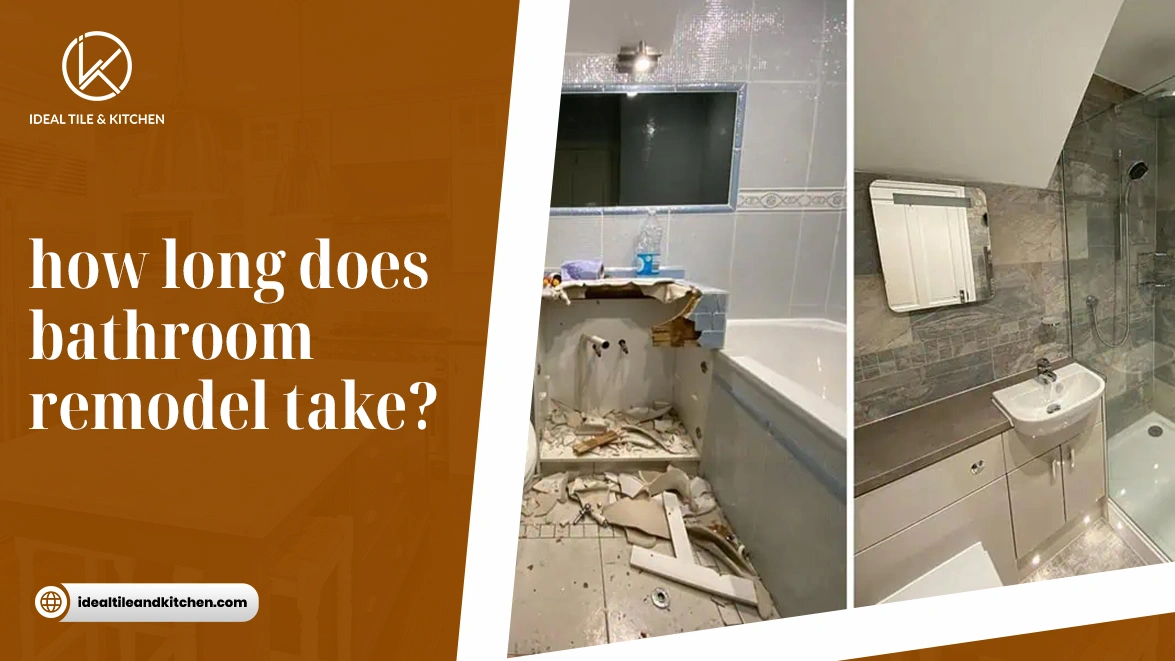
You step into your outdated bathroom each morning and wish for a brighter, fresher space. New fixtures sparkle while you relax under a rainfall showerhead. A well-planned remodel turns that daily frustration into pure joy. But how long should you actually expect a bathroom remodel to take?
| Quick Answer The bathroom remodel duration usually runs from 2 to 4 weeks for most standard projects. Small powder rooms wrap up in 1 to 2 weeks with just cosmetic changes. Full primary suites stretch to 5 to 8 weeks when you move plumbing or add custom features. You avoid surprises by picking the right contractor early. Factors such as material lead times and permits add additional calendar days. Plan smartly and you’ll enjoy a stunning new bathroom sooner than you expect. |
What Is the Average Bathroom Remodel Timeline?
An average bathroom remodel takes 2 to 4 weeks for typical projects. You wrap up quick cosmetic updates in 1 to 2 weeks. Full standard bathrooms need four to seven weeks of active work. Big master bathrooms often require six to nine weeks with major updates. Good planning helps you avoid long delays. Choose your scope carefully so you know what to expect.
What Affects Remodeling Duration?
Several important elements shape exactly how long your bathroom project lasts. You weigh each factor carefully so you set realistic expectations right from the beginning. Smart planning helps you dodge common delays that catch many homeowners off guard.
Bathroom Size
Bathroom size directly affects the amount of work crews tackle each day. You finish a tiny powder room under 50 square feet much faster than a spacious primary suite. Small spaces need fewer materials and simpler layouts overall.
Larger rooms require extra days to tile the walls and floors carefully. Contractors often quote two to four weeks for compact baths yet five to eight weeks for bigger ones. Measure your space early so you can predict the timeline accurately.
Structural Changes
Structural changes add significant time because crews must open walls and floors safely. You relocate a toilet or widen a doorway and suddenly the project extends by days or weeks. Hidden issues such as old wiring or water damage become apparent once demolition starts.
These surprises require additional framing and repairs that no one initially plans. Experienced teams handle them smoothly yet they still slow progress noticeably. Stick to the existing footprint whenever possible to keep things moving fast.
Plumbing/Electrical Work
Plumbing and electrical work require precise rough-in stages before you cover anything up. You update old pipes or add new outlets and inspectors must approve every step along the way. Complex rerouting in older homes takes extra days for safe testing.
Modern code requirements also demand specific upgrades you might not expect upfront. Skilled trades finish standard jobs in two to five days yet tricky situations stretch longer. Schedule these pros early so they do not hold up the rest of the crew.
Material Availability
Material availability creates unexpected pauses when popular items sit on backorder lists. You choose trendy tiles or custom vanities and suddenly, wait times reach two or three weeks. Supply chain hiccups still affect certain fixtures.
Smart homeowners order everything weeks ahead or pick readily stocked options instead. Local suppliers often deliver faster than big online retailers do. Double-check lead times before you finalize your selections so you avoid frustrating gaps.
Permit Approvals
Permit approvals add calendar time that feels invisible until you wait for city stamps. You pull permits for plumbing or electrical changes and local offices review them carefully. Some towns approve simple jobs in days, while others take several weeks.
Busy seasons create longer backlogs that surprise many owners. Experienced contractors handle paperwork efficiently yet you still build buffer days into your schedule. Check your local rules early to avoid anything from stalling the exciting demolition phase.
DIY vs. Professional Contractors
DIY versus professional contractors can dramatically change the timeline based on your skill level. You tackle the project yourself and weekends stretch the work across months easily. Pros coordinate trades and finish in weeks because they work full days efficiently.
Hidden mistakes from DIY attempts often require expensive fixes later too. Hiring a licensed team saves time and stress for most families. Compare quotes and reviews so you can pick someone who keeps your project on track.
How the Bathroom Remodeling Process Actually Works
The bathroom remodeling process follows a logical sequence that keeps every trade moving smoothly. You watch each phase build on the last one until your dream space finally appears. Understanding these steps helps you stay patient and prepared throughout.
Planning and Design Phase (1–2 Weeks)
The planning and design phase sets the entire foundation for a smooth remodel. You meet with designers to finalize layouts, colors and fixtures during this time. Detailed drawings prevent costly changes once construction begins.
Measure carefully and create a realistic budget that covers surprises. Many homeowners spend extra days here because they refine ideas happily. Strong plans reduce stress later and keep the whole team aligned perfectly.
Permit and Approval Process (Several Days to Weeks)
The permit and approval process handles all the official paperwork behind the scenes. You submit plans for plumbing, electrical or structural work and wait for the inspector to nod. Local offices review safety codes carefully before they stamp approval.
Experienced contractors speed this up by preparing complete packages upfront. Delays happen when offices stay busy yet you build in extra buffer time wisely. Once permits clear, the fun demolition phase starts right away.
Demolition Phase (1–3 Days)
The demolition phase feels satisfying because you finally see the bare bones of the space. You watch old tiles and fixtures disappear in just one to three days, usually. Crews protect the rest of your home from dust carefully.
They haul away debris efficiently so you avoid living in chaos too long. Unexpected issues like mold sometimes appear here yet pros fix them quickly. This short burst clears the way for fresh new work ahead.
Plumbing and Electrical Work (2–5 Days)
Plumbing and electrical work safely brings the hidden systems up to modern standards. You get new pipes and wires installed during these two to five busy days. Inspectors check everything before the walls close up again.
Crews coordinate tightly so one trade does not slow the other down. Modern smart features like heated floors add a little extra time yet they feel worth it later. Proper rough-ins prevent leaks or shorts for decades ahead.
Flooring and Wall Installation (3–7 Days)
Flooring and wall installation create the beautiful surfaces you touch every day. You watch the waterproof backer board and tile go up over the next three to seven days. Grout and sealant need proper drying time so crews pause between steps.
Quality materials resist moisture better and look stunning longer. Experienced tilers cut pieces precisely to ensure a seamless, professional finish. This phase transforms the bare room into something you start to recognize.
Fixture and Cabinet Installation (2–4 Days)
Fixture and cabinet installation brings the functional pieces into place at last. You see the vanity toilet and shower fixtures appear over the next two to four days. Crews level everything carefully so doors close smoothly without gaps.
Lighting and mirrors go up quickly once the walls stay dry. These final touches make the space feel complete and ready for use. Proper installation prevents leaks or wobbles that frustrate you later.
Final Touches and Inspection (1–3 Days)
Final touches and inspection polish every detail before you celebrate. You watch painters caulk and clean during these one to three days. Inspectors return for the final sign-off on all the work.
Minor punch-list items get fixed right away so you feel completely satisfied. Crews remove protective coverings and give the room one last shine. This exciting wrap-up confirms your new bathroom meets every safety standard perfectly.
Conclusion
You now see that bathroom remodel duration varies based on size, scope and careful planning, yet most projects finish in three to six weeks of active work. Small refreshes wrap up fast while full suites take longer because of permits and custom details.
Factors such as material choices and contractor experience affect every stage of the process. Smart decisions keep your timeline realistic and stress-free from start to finish. You gain a beautiful, functional space that boosts daily comfort and home value for years ahead.
Ready to create the bathroom you have always wanted? Visit Ideal Tile and Kitchen today for expert bathroom remodeling services including materials, smart designs and professional installation that keeps your project on schedule and looking amazing.
FAQs
Can a bathroom remodel be done in one week?
Yes. A bathroom remodel fits into one week when you choose a simple cosmetic refresh with no layout changes. You replace fixtures and paint while pros work efficiently. Major plumbing or structural work needs more time, though.
How long does it take to remodel a small bathroom?
Small bathrooms take two to four weeks total in most cases. You finish powder rooms even faster with basic updates. Proper planning and stocked materials help crews move quickly without delays.
Do permits slow down bathroom remodeling?
Permits add several days to weeks, depending on your local office. Simple jobs clear faster yet electrical or plumbing changes require careful reviews. Experienced contractors handle paperwork efficiently to minimize the wait.