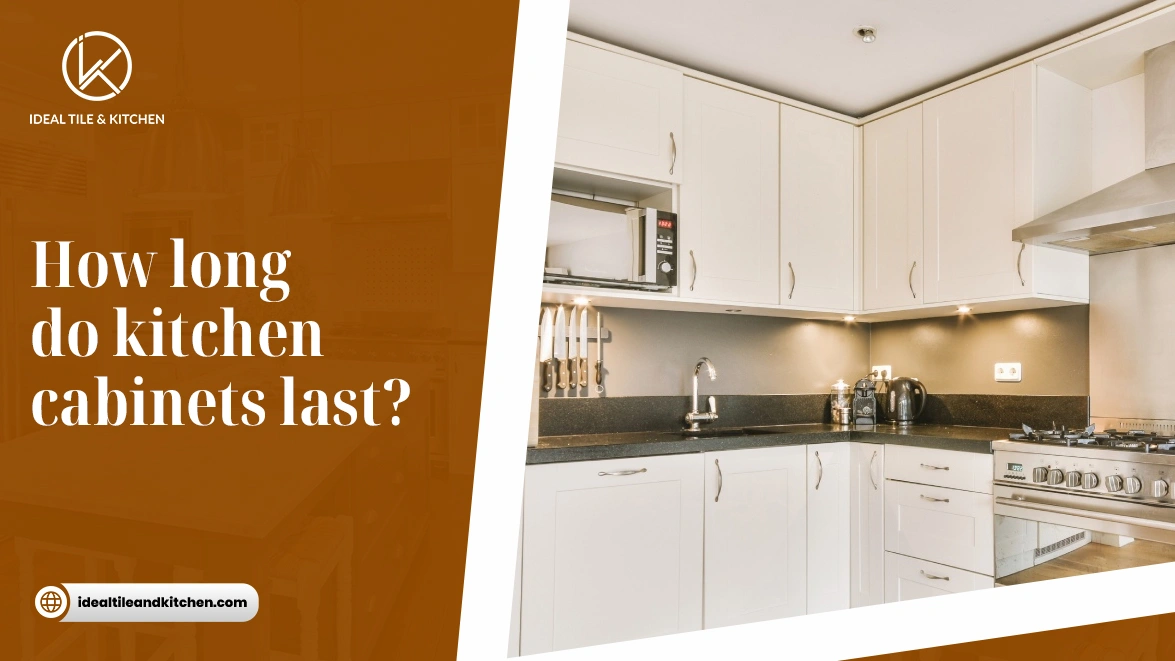
Kitchen cabinets store your dishes and are opened and closed constantly. They face steam from cooking plus accidental spills. You rely on them without much thought. But exactly how long can you expect your kitchen cabinets to keep performing before they show wear? Normally, kitchen cabinets last for 30 years or more with regular maintenance.
| Core Takeaways Your kitchen cabinet’s lifespan typically ranges from 10 years to over 50 years. Solid wood cabinets often deliver 30 to 50 years of reliable service with proper care. Plywood offers a smart middle ground and lasts 20 to 30 years in most homes. MDF and particle board options usually hold up for 10 to 15 years. You control much of this outcome through smart choices in material and daily habits. Quality installation makes a huge difference too. Start with a quick inspection of your current setup. Small changes now can add many extra years of use. |
Average Lifespan of Different Kitchen Cabinets
You just saw the broad picture in the takeaways. Different materials bring their own strengths and limits to your kitchen. Let’s explore how each type holds up over time in everyday use.
Solid Wood Cabinets
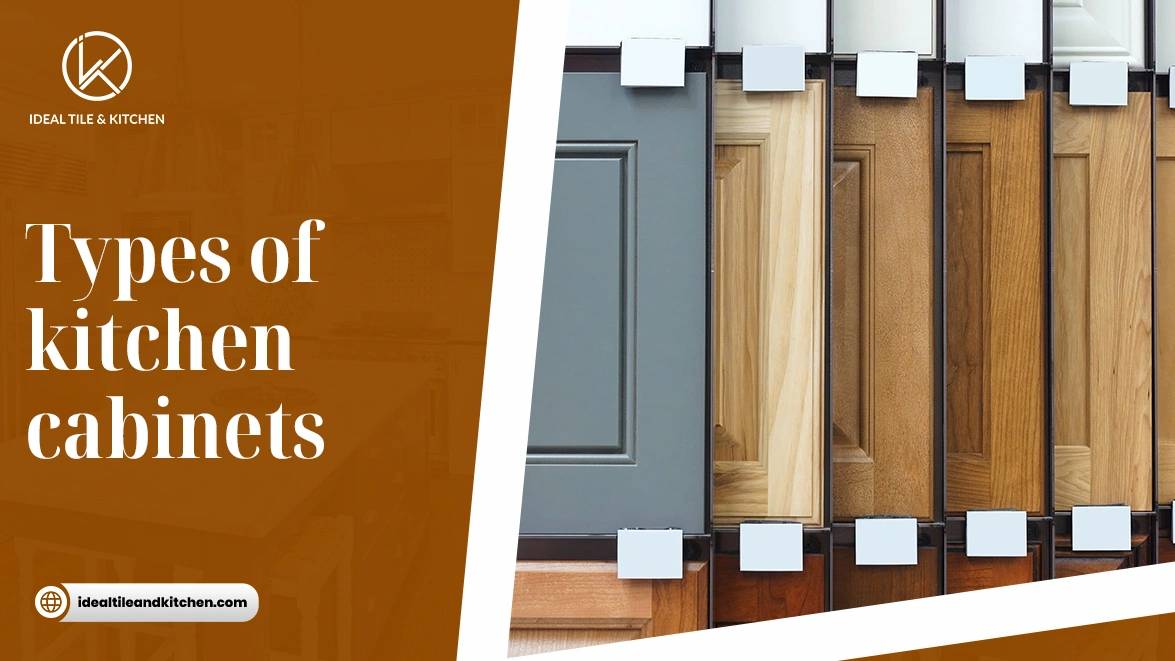
Solid wood cabinets stand out for exceptional durability. You get 30 to 50 years or even longer when you pick oak or maple. These natural materials resist daily wear better than most alternatives. You can refinish them multiple times to refresh their look completely. Families often enjoy the same cabinets for decades after a simple sanding and staining. They add real warmth and value to any space you design.
MDF & Particle Board Cabinets
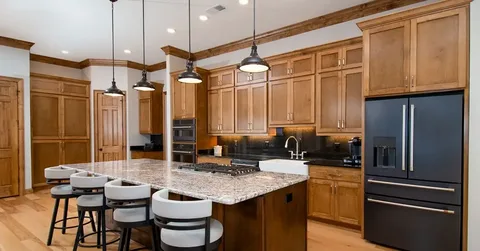
MDF and particleboard cabinets suit tight budgets well. They typically last 10 to 15 years before problems appear. Moisture easily causes swelling and sagging under heavy loads. You see them in many ready-to-assemble options from big stores. They work well in low-traffic areas or on painted finishes that hide imperfections. Still, you replace them sooner than premium choices.
Plywood Cabinets
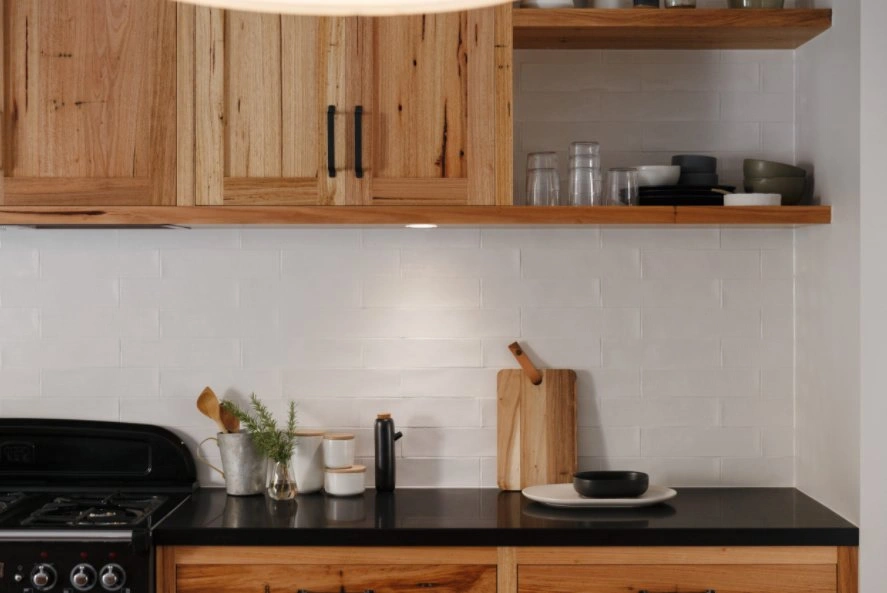
Plywood cabinets hit the sweet spot for most homeowners. They deliver 20 to 30 years of solid performance with good care. Cross-grain layers give them strength against warping and moisture damage. You notice they hold up better near sinks than particle board does. Many builders prefer plywood boxes because they retain bending strength for years. They balance cost and longevity perfectly in busy kitchens.
Factors That Affect Kitchen Cabinet Lifespan
You now understand average lifespans by material. Real life throws many variables at your cabinets every day. Several key factors determine how long they actually last in your home.
Material Quality
Material quality sets the foundation for long-term success. Premium hardwoods and thick plywood resist dents and warping far better. You avoid cheap staples or thin panels that pull apart quickly.
Dovetail joints last decades while basic screws loosen over time. One upgrade in cabinet grade can easily add 10 extra years of use. Always check the construction details before you buy.
Installation Quality
Installation quality prevents early failures you never see coming. Professionals level cabinets perfectly and anchor them securely to walls. You avoid gaps or stress that cause doors to stick later.
Poor leveling creates misalignment within months in some cases. Watch during setup to ensure everything sits straight and plumb. A solid install protects your investment for the long haul.
Daily Usage
Daily usage wears cabinets faster in busy households. You slam doors dozens of times as you rush to make dinner. Overloaded drawers strain hinges and tracks over the years. Light-use homes experience slower wear than families with kids. Think of cabinets as silent workhorses that handle your routine. Gentle habits reduce stress and extend their service life noticeably.
Moisture & Humidity
Moisture and humidity act as the top enemies for most cabinets. You keep indoor levels between 30 and 55 percent for the best results. Steam from cooking or leaks near sinks causes swelling fast. Exhaust fans pull out excess humidity during meal prep. A simple dehumidifier helps in damp climates or older homes. Quick action on spills stops permanent damage before it starts.
Maintenance & Cleaning Habits
Maintenance and cleaning habits make or break cabinet longevity. You wipe surfaces weekly with mild soap and a soft cloth. Harsh chemicals strip finishes and leave them vulnerable. Consistent routines remove grease and dust that build up silently. Negligence lets small issues grow into costly repairs later. Good habits turn routine care into years of extra life.
Signs Your Kitchen Cabinets Need Replacement
You know the factors that influence durability. Now you spot trouble before it ruins your kitchen flow. Certain clear signals tell you when replacement makes more sense than repair.
Visible Damage
Visible damage appears gradually but demands your attention. You notice cracks, warping or water stains on doors and sides. Peeling finishes expose raw material underneath in problem spots. Mold spots near the sink signal deeper moisture trouble. Cosmetic scratches stay minor yet deep damage needs full replacement. Check your cabinets in good light to catch issues early.
Functional Problems
Functional problems disrupt your daily kitchen routine quickly. You struggle with drawers that stick or doors that refuse to close. Sagging shelves drop items and create safety hazards. Loose hinges wobble and make noise with every use. These issues grow worse and affect how you cook and store food. Minor fixes work short-term but full replacement restores smooth operation.
Outdated Appearance
An outdated appearance makes your whole kitchen feel tired. You see yellowing or styles that clash with new appliances. Worn finishes dull the space even after deep cleaning. Fresh cabinets instantly lift the mood and update the vibe. Modern looks with clean lines bring energy back to meal times. Sometimes, style alone justifies an upgrade you will love.
Structural Weakness
Structural weakness creates real safety concerns over time. You feel soft spots or notice cabinets pulling away from the walls. Joints separate under the weight of heavy countertops. These problems risk collapse and damage to your floors. Ignore them and repairs become more expensive down the road. Strong new cabinets eliminate worry and give you peace of mind.
How to Make Kitchen Cabinets Last Longer
You recognize the warning signs that signal trouble ahead. The good news is you can take action right now. Simple steps protect your investment and keep cabinets performing like new.
Clean Cabinets Properly
Clean cabinets properly with the right routine every week. You use mild soap on a microfiber cloth and avoid excess water. Gentle wipes remove grease without harming the finish. Dry surfaces immediately to prevent spots or swelling. Harsh scrubbers scratch and shorten life dramatically. This quick habit prevents 80 percent of common buildup problems.
Fix Minor Issues Early
Fix minor issues early before they turn into big headaches. You tighten loose screws and adjust hinges with basic tools. Small dents get patched with wood filler in minutes. One weekend project saves thousands in future replacement costs. Catch problems while they stay small and simple. Proactive fixes keep everything aligned and functioning smoothly for years.
Protect Against Moisture
Protect against moisture with smart daily precautions. You wipe spills instantly and run exhaust fans during cooking. Under-sink mats catch leaks before they reach wood. A humidity meter helps you monitor levels easily. These habits stop warping and mold in their tracks. Consistent protection adds many extra years to any cabinet set.
Upgrade Hardware
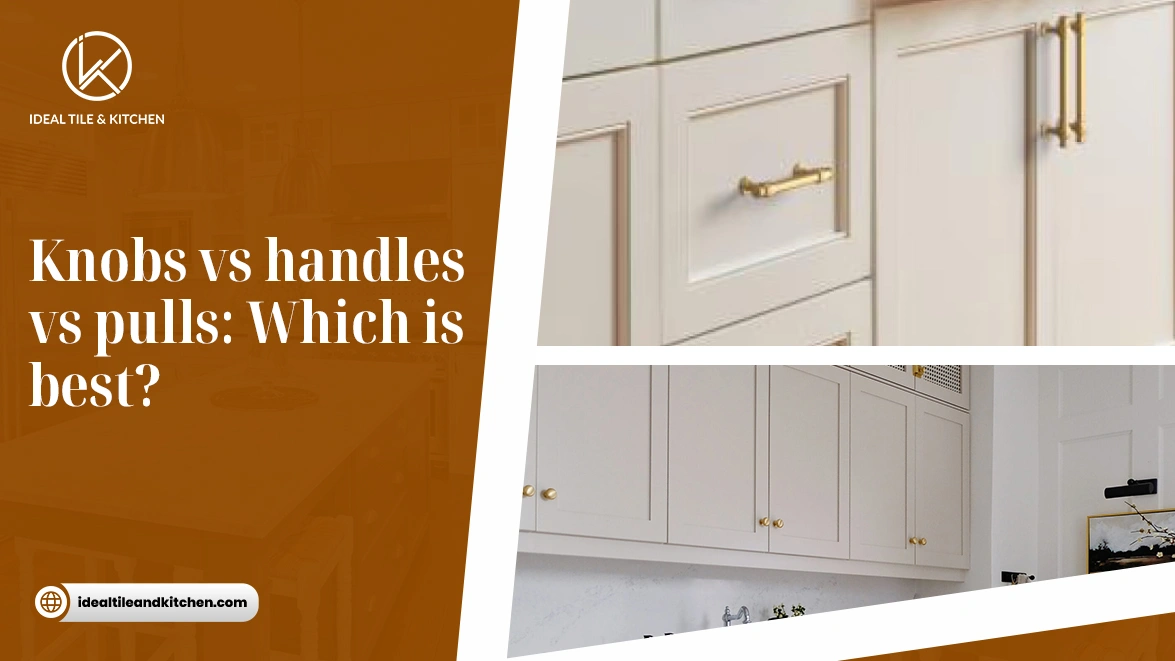
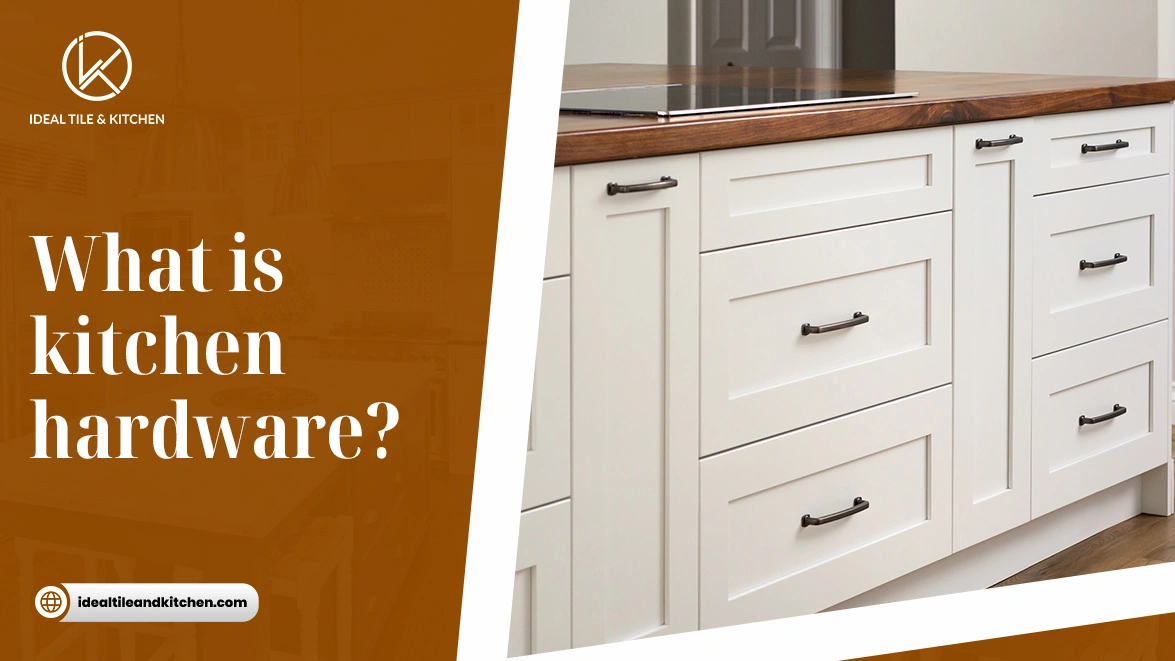
Upgrade hardware for smoother operation and less daily stress. You swap old hinges for soft-close versions that prevent slamming. Full-extension slides make drawers glide effortlessly. These small changes reduce wear on the cabinet frame itself. Easy DIY swaps cost little yet feel like a luxury upgrade. New hardware refreshes the feel without a full remodel.
Refinish or Repaint Cabinets
Refinish or repaint cabinets when the finish begins to fade or chip. You sand lightly and apply durable paint made for high traffic. This process adds 10 to 15 years of fresh life easily. Professional help delivers factory-like results if you prefer. DIY works well for handy homeowners on a budget. A fresh coat transforms the entire kitchen space beautifully.
Conclusion
Kitchen cabinets last anywhere from 10 to over 50 years, depending on material quality and your daily care. Solid wood and plywood provide the longest service when installed correctly and maintained consistently. You avoid early failures by watching for moisture and fixing small issues fast.
Smart choices today protect your investment for decades ahead. Your kitchen cabinet’s lifespan improves dramatically with these practical steps.
Ready for cabinets that truly last or a full kitchen transformation that feels brand new? Check out Ideal Tile and Kitchen for premium kitchen remodeling including quality materials, expert installation, and complete remodels that turn your space into a durable dream kitchen.
FAQs
What type of kitchen cabinets last the longest?
Solid wood cabinets last the longest with proper care. They often reach 30 to 50 years or more. You can refinish them easily to extend their life further.
Can kitchen cabinets last 30 years?
Yes. Kitchen cabinets can last 30 years and beyond. Solid wood or high-quality plywood easily delivers this lifespan. Consistent maintenance and good installation make it possible.
How do I know if my kitchen cabinets need replacing?
You know replacement time has come when you see warping, sticking doors or structural weakness. Visible damage or outdated looks also signal the need for new cabinets.